
 May 4, 2026
London Property Market Trends: The Changing Face of the Capital
Steel beams and crane arms piercing the skyline tell a mere fraction of the tale. The real theater happens down on the pavement. It lives inside hushed living rooms. It breeds in frantic phone calls between eager buyers and anxious sellers. Flipping through Sunday supplements no longer guarantees a win in this brutal housing arena. Success right now requires grasping the latest London property market trends. We built this manual to arm you with the bare statistics and street-level maneuvers needed to secure a massive payout. By ripping apart recent neighborhood shifts, we hand over the exact playbook to inflate your final sale price or snag a prime asset. We also plunge into 2026 forecasts to keep your money fiercely guarded through the turbulent years ahead.
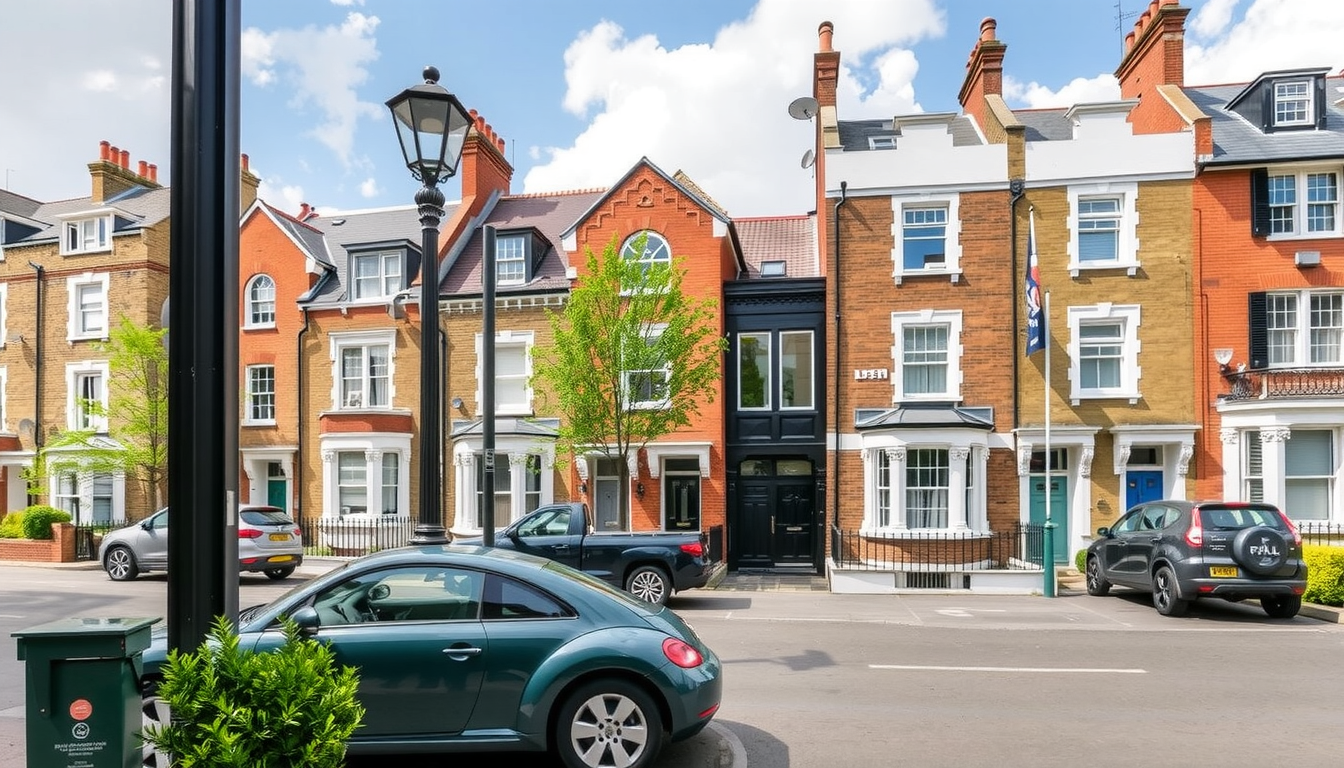
The Shift Beyond Zone 1: Where the Real Growth Lies
A young couple sat across from my desk last month. They insisted on cramming themselves into a tiny Chelsea flat. We examined their long-term financial plans. We stared at the pitiful rental yields suffocating central districts right now. Then we turned their attention to the outer boroughs. For the exact same budget, we handed them the keys to a sprawling three-bedroom Victorian terrace in Walthamstow. That single swap perfectly captures the current attitude. Urbanites are abandoning flashy central postcodes in droves. Tearing into current London property market trends reveals a desperate hunger for raw square footage. Buyers crave deep back gardens stretching across Zones 3 and 4.
The Elizabeth Line shredded the old commuter map. Riding from Abbey Wood to Tottenham Court Road takes just twenty-three minutes. Houses sitting within a ten-minute walk of these new stations have seen their values swell by 14 percent over the past eighteen months. Anyone offloading a home in these newly linked areas must demand that transit cash bump. Buyers face a different beast. They must hunt down rising pockets like Old Oak Common. You need to secure your spot before the High Speed 2 terminal finishes and prices you out of the postcode forever.
Navigating the New Era of Mortgage Rates
Last autumn brought a barrage of panicked phone calls. Sellers watched the Bank of England hike the base rate and lost their nerve. Today paints a much calmer picture. Fixed-rate mortgages have finally found solid footing. Several heavy-hitting high-street lenders now hand out five-year fixed rates just under 4.3 percent for anyone holding a 25 percent deposit. That fresh calm has poured raw confidence straight back into the housing arena.
Buyers must face reality. The basement-level interest rates of the last decade are gone forever. Stop wishing for a time machine and start sharpening your borrowing plan today. We tell our clients to violently attack their unsecured debt. Polish that credit file until it shines. Hire a broker who can dig up hidden lending deals off the beaten path. Sellers must wake up to the reality of brutal borrowing limits. Slapping a delusional 3 percent markup on your home is a death sentence. It will languish on Rightmove for months. Eventually, the listing turns sour and attracts nothing but insulting lowball offers.
The Green Premium: Why EPC Ratings Dictate Final Prices
A man recently asked us to sell his untouched Victorian townhouse in Clapham. It boasted a brilliant location and beautiful period details. It also held a dismal Energy Performance Certificate rating of E. House hunters took one look at the massive heating bills and ran. We ordered the owner to drop fifteen thousand pounds on thick loft insulation. We had him install a fresh boiler and double-glazed sash windows. That cash bumped the property up to a respectable C rating. The final sale price jumped forty thousand pounds above the original pathetic bids.
Going green is no longer a fringe environmental fantasy. It is a hard financial truth shaping London property market trends today. Homes carrying an EPC rating of C or better easily command a 12 percent premium across the city. House hunters now bake those massive future heating bills straight into their borrowing limits. Anyone selling a house must check their insulation grades before calling an agent. Handle the basic fixes early. Otherwise, buyers will brutally chip away at your asking price the second the surveyor finds a draft. Snapping up a smart thermostat and sealing up drafty doors can drag a weak D rating into a highly attractive C rating. You can get that done for less than a thousand pounds.
Strategic Positioning for Sellers in a Slower Market
Tossing a listing onto the internet on a Friday and expecting a bidding war by Sunday is a thing of the past. Those days are dead. We recently handled a two-bedroom flat in Battersea that required serious attention. Leaving it empty was a terrible idea. We brought in a staging crew to map out the massive open-plan living room and show off the home office possibilities. We refused to test the waters with a greedy 10 percent markup. We priced it dead on the valuation line. That flat found a buyer in twelve days. Bare units just down the hall gathered dust for six months.
Winning in this climate means treating your property launch like a massive movie premiere. Your solicitor must gather every single management pack and leasehold document before the listing ever hits the web. Sloppy legal delays are currently killing one out of every three deals. Handing over a flawless legal pack on day one proves you mean business. It traps the buyer’s interest instantly. House hunters crave honesty and clear communication. They will happily pay extra cash for a deal that guarantees speed and zero legal headaches.
Future London Property Market Trends: 2026 Predictions
Our crew burns through hundreds of hours tearing apart local planning applications and population shifts to track the money. The numbers point to a massive housing shortage in the new-build sector. Punishing construction bills and brutal planning rules have crushed new housing starts in the capital. They plummeted by 24 percent over the last year. That terrifying lack of fresh bricks and mortar will absolutely force the prices of existing homes through the roof.
We fully expect a reliable annual growth rate hovering around 3 to 4 percent for well-insulated homes in those outer boroughs. Anyone looking to park their cash should hunt down houses that beg for a quick physical upgrade. Look for single-family homes crying out for a rear extension under permitted development rules. Grab those assets today. Hammer out the building work over the next twenty-four months. That timeline perfectly sets you up to profit from the coming housing drought. The rental scene will face the exact same squeeze. Landlords pushing updated units in major commuter towns will easily see their yields smash past the 6 percent line.

Key Takeaways for Your Next Move
Winning the real estate game today demands a viciously sharp attack plan backed by raw numbers. Sitting around hoping for some magic market shift is the fastest way to lose out on brilliant deals. Here are the exact moves you must make to protect your money right now.
- Hunt down transit hotspots out in Zones 3 and 4 to grab the leftover cash boost from the Elizabeth Line.
- Fix your insulation immediately and drag your EPC rating up to a solid C before you let a single buyer step through the front door.
- Slap a grounded price tag on your house from day one to stop the listing from turning rotten and inviting cheapskate bids.
- Hire your legal team weeks before the photographer arrives to kill the chance of your deal falling apart over missing paperwork.
- Buy dated houses that beg for quick extensions today to guard your wealth against the terrifying new-build drought expected in 2026.
The London housing scene endlessly rewards people who move hard and fast on raw numbers instead of newspaper gossip. Carrying these street-level tactics into the wild gives you serious power. You have exactly what it takes to beat the city at its own game and walk away with a massive pile of cash.